
Between Heaven and Earth: Discovering UNESCO's Sacred Sites from the Luo River to Mount Song
Itinerary Highlights
Discover Amazing Moments in China
Day-by-Day Itinerary
Your complete travel plan with exciting activities each day
Day 1 · Luoyang
洛邑古城
Luoyi Ancient City is a national level cultural tourism scenic area located in the old town of Luoyang.Covering approximately 0.91 square kilometers. "Luoyi" is the ancient name of Luoyang, which served as the capital of thirteen dynasties and is known as the "Holy City of Culture". The scenic area integrates architectural styles from the Tang, Song, Yuan, Ming, Qing, and Republic of China periods, featuring protected historical sites such as Wenfeng Tower, the Confucian Temple, Tuoling Palace, the Four-Eyed Well, and remnants of the Jin-Yuan city wall. The ancient city has become a renowned Hanfu photo destination and was recognized as a "National-Level Tourist and Leisure Block" in 2022. Visitors can immerse themselves in the atmosphere of ancient China while enjoying traditional performances, intangible cultural heritage experiences, local cuisine, and the spectacular night views that make it one of Henan's top nighttime attractions.
Travel World Hotel
The Travel World Hotel provides a great place for travelers to relax after a busy day. Visitors to Luoyang will find that the Travel World Hotel is a fantastic accommodation choice. Traveling to the hotel is easy with Luoyang Railway Station located approximately 3km away and Luoyang Beijiao Airport roughly 11km away. In addition, Lijingmen Metro Station is just a short walk away. There is no shortage of things to see in the area, with the Wu Zetian Sky-Reaching Tower, Mingtang And Tiantang and Luoyang Sancai Art Museum all nearby. When guests have some time on their hands they can make use of the onsite facilities. This Luoyang hotel features parking on site. Our guests consider this hotel to have excellent service. This hotel is a popular accommodation for guests traveling with families.
Day 2 · Luoyang
Longmen Grottoes
Should one inquire about the rise and fall of dynasties throughout history, look no further than Luoyang. This 'millennia-old imperial capital' witnessed cycles of prosperity and decline, reaching its zenith during the Sui and Tang dynasties. The Longmen Grottoes, this timeless masterpiece carved into the very rock, stand as the most eloquent testament to the splendour of the Tang era. The scholar Yu Qiuyu once remarked upon the Longmen Grottoes: "The Tang Dynasty was a great era, and the Longmen Grottoes are the Tang Dynasty carved into stone." Commencing during the reign of Emperor Xiaowen of the Northern Wei dynasty, flourishing under the Tang, and concluding in the late Qing period, the Longmen Grottoes represent the longest-continuously excavated cave complex in history. Alongside the Mogao Caves and the Yungang Grottoes, they are collectively honoured as China's Three Great Cave Temples. Standing before the Buddha statues in quiet contemplation, one can almost envision the splendour of the Tang dynasty's golden age. Beyond their exquisite stone sculptures and rich collection of stele inscriptions, the Longmen Grottoes showcase artistic beauty through diverse forms including literature, music, humanities, religious architecture, and medicine, earning them the title of "China's largest open-air museum of stone carving art".
Mingtang -Hall of Enlightenment
Mingtang (Hall of Enlightenment) and Tiantang (Hall of Heaven), located at the heart of the Sui-Tang Luoyang City National Heritage Park, were the political and religious center built by China's only female emperor, Wu Zetian, during the late 7th century—Mingtang, completed in 688 AD, served as her main ceremonial hall for holding court and state rituals, while Tiantang, built in 689 AD, functioned as her private Buddhist prayer sanctuary, with historical records describing the original Tiantang as the tallest building in the ancient world at roughly 150 meters. Today, the reconstructed Mingtang stands 33.52 meters tall with original Tang dynasty pillar foundations preserved beneath glass flooring, and Tiantang rises to 88.88 meters with five exterior levels and nine interior floors, offering panoramic views of Luoyang from the top. The scenic area combines archaeological preservation with immersive cultural experiences, featuring Tang-style performances, nighttime light shows, and interactive exhibits, making it a vivid window into the grandeur of the Wu Zhou era.
Yingtian Gate
Yingtian Gate was the main south gate of the imperial palace in the Sui and Tang dynasty capital of Luoyang, first built in 605 AD. Originally named Zetianmen, it was renamed Yingtianmen in 705 AD to avoid the naming taboo of Empress Wu Zetian. It served as the venue for major state ceremonies and diplomatic events, witnessing Empress Wu Zetian's accession, Emperor Gaozong's reception of foreign envoys, and Emperor Xuanzong's meeting with Japanese delegations, making it the equivalent of Beijing's Meridian Gate in function. The gate featured a grand "concave" shape, consisting of a central gate tower, flanking turrets, and extending watchtowers on both sides, with a foundation about 120 meters wide and 60 meters deep, and a height of roughly 35 meters. Its architectural design later influenced the Danfeng Gate of the Northern Song capital and the Meridian Gate of the Forbidden City. Rediscovered in 1960 and excavated in the 1990s, the site was recognized as one of China's top ten archaeological discoveries of 1990. Today, a protective museum stands on the original site, and the gate is especially famous for its spectacular nighttime light shows, offering visitors a vivid glimpse into the grandeur of the Tang dynasty.
Jiuzhou Pool
Jiuzhou Pool, the imperial garden of the Sui and Tang dynasty palace city in Luoyang, was first built in 605 AD as a royal retreat featuring winding waters and islets named after the "Nine Continents" of Chinese mythology. Rediscovered in 1960 and opened as a ruins park in 2019, the site now centers on the majestic three-story Yaoguang Hall, which preserves original Tang foundations beneath glass flooring, alongside features like the Glazed Pavilion, Golden and Silver Pavilions, and a century-old peony garden—all designed in the classic Chinese garden philosophy of appearing as if created by heaven. Renowned for its spectacular nighttime experience with over a thousand Tang-style lanterns illuminating the gardens after 7:00 PM, the site offers immersive performances and Hanfu photography opportunities, forming an integral part of the larger Sui-Tang Luoyang City ruins complex together with nearby Yingtianmen and Mingtang Tiantang.
Travel World Hotel
The Travel World Hotel provides a great place for travelers to relax after a busy day. Visitors to Luoyang will find that the Travel World Hotel is a fantastic accommodation choice. Traveling to the hotel is easy with Luoyang Railway Station located approximately 3km away and Luoyang Beijiao Airport roughly 11km away. In addition, Lijingmen Metro Station is just a short walk away. There is no shortage of things to see in the area, with the Wu Zetian Sky-Reaching Tower, Mingtang And Tiantang and Luoyang Sancai Art Museum all nearby. When guests have some time on their hands they can make use of the onsite facilities. This Luoyang hotel features parking on site. Our guests consider this hotel to have excellent service. This hotel is a popular accommodation for guests traveling with families.
Day 3 · Luoyang · Zhengzhou
White Horse Temple
Founded in 68 AD during the Eastern Han Dynasty under Emperor Ming, White Horse Temple (Baima Temple) is recognized as the first Buddhist temple in China and the first government-funded temple after Buddhism's introduction from India. According to legend, Buddhist scriptures were carried to Luoyang on white horses, hence the name. It served as the cradle of Chinese Buddhism, housing the earliest Sanskrit scriptures on pattra leaves and hosting the first translation of Buddhist sutras into Chinese (the Sutra of Forty-Two Chapters). The temple complex features traditional Chinese halls along a north-south axis, the 13th-century Qiyun Pagoda, and unique International Buddha Halls built in Thai, Indian, and Myanmar architectural styles, symbolizing the international spread of Buddhism.
Zhongyue Temple
Zhongyue Temple is a renowned Taoist temple located at the southern foot of Mount Song in Dengfeng, Henan Province. As the largest and best-preserved ancient architectural complex among China's Five Great Sacred Mountains, it covers a total area of 110,000 square meters and is often nicknamed the "Mini Forbidden City" due to its grand, palace-like layout of red walls and yellow tiles. Originally built during the Qin Dynasty (221–207 BC) to worship the god of Mount Song, it was officially named a Taoist temple during the Northern Wei Dynasty and has been favored and expanded by numerous emperors over its more than 2,200-year history. Its main buildings, including the Junji Palace and the Tianzhong Pavilion, are aligned along a 650-meter central axis, reflecting the finest traditional Chinese architectural craftsmanship. Among its many treasures are four 3-meter-high iron figures cast in the Northern Song Dynasty, which stand as guardians within the temple. In 2010, Zhongyue Temple was inscribed as a UNESCO World Heritage site as part of the "Historic Monuments of Dengfeng in the Center of Heaven and Earth".
Songyang Academy
Songyang Academy, located at the southern foot of Mount Song,is one of China's Four Great Ancient Academies and a cradle of Neo-Confucianism during the Song Dynasty. It was first established during the Northern Wei Dynasty (386–534 AD) as a Buddhist temple, later became a Daoist monastery, and was converted into a Confucian academy during the Northern Song Dynasty. The academy is renowned for its two ancient "General Cypress" trees, which are over 4,500 years old—the oldest living trees in central China. It also houses the magnificent Tang Dynasty Stele (the Great Tang Stele), standing over 9 meters high and bearing exquisite calligraphy and carvings. As the place where the Cheng-Zhu school of Neo-Confucianism was taught and developed, Songyang Academy played a pivotal role in shaping Chinese intellectual history. In 2010, it was inscribed as a UNESCO World Heritage site as part of the "Historic Monuments of Dengfeng in the Center of Heaven and Earth". Today, its serene courtyards, ancient cypress trees, and traditional lecture halls offer visitors a peaceful glimpse into China's scholarly and philosophical past.
Dengfeng Zhongzhou Intermega Shaolin Hotel
The Zhongzhou International Shaolin Grand Hotel (Dengfeng Zhongzhou International Shaolin Hotel) is a high-end hotel located at the foot of Mount Song in Dengfeng, near the UNESCO World Heritage Site Shaolin Temple. Opened in 2023, this five-diamond standard hotel is themed around Shaolin Zen culture, blending traditional Chinese aesthetics with Shaolin architectural, martial arts, and mural elements to create a contemporary Zen-inspired experience. It offers around 350 rooms and extensive facilities, including multiple restaurants, a vegetarian restaurant, a library, a gym, and large banquet halls. The hotel is a popular base for visiting the Shaolin Temple, providing a relaxing retreat with mountain views and a tranquil atmosphere.
Day 4 · Zhengzhou
Shaolin Temple
Shaolin Temple, founded in 495 AD during the Northern Wei Dynasty at the foot of Mount Song in Henan Province, is globally recognized as the birthplace of Zen Buddhism (Chan Sect) in China and the cradle of Shaolin Kungfu, where the Indian monk Bodhidharma is credited with introducing martial arts as a physical discipline to complement meditation. The temple complex, covering over 30,000 square meters, features a symmetrical layout with key buildings such as the Gate of the Temple, the Hall of Heavenly Kings, the Mahavira Hall, and the Thousand Buddhas Hall, which houses well-preserved ancient murals. Nearby, the Pagoda Forest, containing 241 to 246 pagodas dating from 689 to 1803, serves as the burial site for eminent monks and is regarded as a "Museum of Chinese Ancient Pagoda Art." As a UNESCO World Heritage site (part of the "Historic Monuments of Dengfeng"), Shaolin Temple remains a living center of Buddhist practice and martial arts training, attracting visitors and students from around the world who come to explore its profound spiritual and cultural legacy.
Chuzu An
Chuzu An (Chuzu Hermitage), built in the Song Dynasty (1125 AD) in memory of Bodhidharma, the First Patriarch of Chinese Zen Buddhism, is located about one kilometer northwest of Shaolin Temple at the foot of Wuru Peak. As part of the UNESCO World Heritage "Historic Monuments of Dengfeng in the Center of Heaven and Earth," its Main Hall is the oldest surviving wooden structure in the Shaolin Temple complex and one of only two remaining Song Dynasty wooden buildings in Henan Province. The hall, supported by sixteen exquisitely carved stone pillars, strictly follows the architectural principles of the Song Dynasty classic Yingzao Fashi, making it a rare and invaluable treasure for studying ancient Chinese architecture. Despite its quiet and often overlooked location, Chuzu An holds greater architectural value than the main Shaolin Temple itself.
The Pagoda Forest
The Pagoda Forest at Shaolin Temple, known as Ta Lin in Chinese, is the burial site for eminent monks, abbots, and ranking monks of the temple . Covering an area of over 14,000 square meters, it is the largest, most numerous, and most valuable ancient pagoda complex in China . Located about 250 meters west of Shaolin Temple at the foot of Wuru Peak, it contains 232 pagodas dating from the Tang Dynasty (791 AD) through to the Qing Dynasty (1803 AD) . These pagodas, standing up to seven storeys and under 15 meters tall, serve as memorials to the deceased, with their size, height, and shape reflecting the monk's status and achievements in Buddhism . They feature a wide variety of architectural styles, including square, hexagonal, octagonal, cylindrical, vase-shaped, and conical forms, making it a treasure house for studying ancient Chinese architecture, sculpture, and calligraphy . Among the most notable pagodas are the Tang Dynasty "Fawan Chanshi Pagoda" (791 AD), the oldest brick pagoda in the forest, and the Yuan Dynasty "Zhaogong Heshang Pagoda" (1339 AD), whose epitaph was composed by a Japanese monk named Shao Yuan, reflecting the temple's international connections .
Shuce Cliff
Shuce Cliff, also known as Book Cliff, is a spectacular geological landmark located on the western foothills of Shaoshi Mountain within the Songshan Global Geopark, near the Shaolin Temple. Formed approximately 1.8 billion years ago during the "Zhongyue Movement" through intense crustal activity, its gray-white quartzite rock layers are stacked upright like giant volumes of a book, creating a stunning visual effect that resembles a shelf of ancient texts . As a living "natural geological textbook" that records changes from five geological eras, this unique formation is an integral part of the UNESCO Global Geopark and has become one of the most breathtaking and must-see natural wonders when visiting the Shaolin Temple area .
Dengfeng Zhongzhou Intermega Shaolin Hotel
The Zhongzhou International Shaolin Grand Hotel (Dengfeng Zhongzhou International Shaolin Hotel) is a high-end hotel located at the foot of Mount Song in Dengfeng, near the UNESCO World Heritage Site Shaolin Temple. Opened in 2023, this five-diamond standard hotel is themed around Shaolin Zen culture, blending traditional Chinese aesthetics with Shaolin architectural, martial arts, and mural elements to create a contemporary Zen-inspired experience. It offers around 350 rooms and extensive facilities, including multiple restaurants, a vegetarian restaurant, a library, a gym, and large banquet halls. The hotel is a popular base for visiting the Shaolin Temple, providing a relaxing retreat with mountain views and a tranquil atmosphere.
Day 5 · Kaifeng
Millennium City Park
Millennium City Park (Qingming Shanghe Yuan), located in Kaifeng, Henan, is a large cultural theme park built at a 1:1 scale based on the famous 12th-century Song Dynasty painting "Along the River During the Qingming Festival" by Zhang Zeduan. Spanning over 600 mu (approximately 98 acres), this national 5A-level scenic area recreates the bustling urban life and architectural splendor of Bianjing (ancient Kaifeng), the capital of the Northern Song Dynasty. The park brings history to life through meticulously recreated Song-era architecture, including the iconic Rainbow Bridge, bustling markets, and traditional shops and residences. Visitors can immerse themselves in the atmosphere with staff dressed in period costumes while enjoying over 100 daily cultural performances, such as the grand horse battle show Yue Fei Picking off the Little King and the immersive night-time spectacle The Dream of the Song Dynasty. The park has evolved beyond a simple replica, integrating modern technology with traditional culture through attractions like the "Fly Over Qingming Scroll" 5D cinema and the "Dragon Soaring" roller coaster in its third-phase project, "Great Song Royal Paradise". With its vibrant day-and-night experience, including the renowned "Grand Song · Tokyo Dream" nighttime water show, the park has become a premier destination that allows visitors to "step into a painting and dream back a thousand years," hosting over 8 million visitors annually as of 2024.
Kaifeng Qingming Shangheyuan Haitang Flower Hotel
The Kaifeng Qingming Shangheyuan Haitang Flower Hotel is an ideal spot for travelers wanting to discover the city. Visitors to Kaifeng will find that the Kaifeng Qingming Shangheyuan Haitang Flower Hotel is a fantastic accommodation choice. The hotel offers easy access to Kaifeng Railway Station, just 5km away. Guests will find Wansuishan Martial Arts City, Kaifeng Fu (Kaifeng Palace) and Millennium City Park just a short distance from the hotel. After a long day of sightseeing, guests can retire to the comfort of the hotel. For those driving themselves, parking is provided on site. If you demand a high level of service, our guests have indicated that this hotel has excellent standards. This hotel is a popular accommodation for guests traveling with families.
Packages
Choose Your Journey
From self-guided exploration to fully immersive experiences, find the perfect level of support for your adventure.
Local Explorer
— Your Authentic Journey Starts Here
- Exclusive Custom Itinerary Design
- All Hotel Accommodations
- All Attraction Tickets & Entry Fees
- Intercity Transportation Arrangements
- 24/7 In-trip Support & Assistance
- First-Day Private Airport Pickup
- On-site Concierge for Hotel Check-in
From $11,000/person
Local Navigator
— Seamless Exploration, Enhanced Comfort
- Exclusive Custom Itinerary Design
- All Hotel Accommodations
- All Attraction Tickets & Entry Fees
- Intercity Transportation Arrangements
- 24/7 In-trip Support & Assistance
- First-Day Private Airport Pickup
- On-site Concierge for Hotel Check-in
- PlusPrivate Chauffeur Service & Car Arrangements for some days trip
From $16,000/person
Local Connoisseur
— Ultimate Immersion, Tangible Memories
- Exclusive Custom Itinerary Design
- All Hotel Accommodations
- All Attraction Tickets & Entry Fees
- Intercity Transportation Arrangements
- 24/7 In-trip Support & Assistance
- First-Day Private Airport Pickup
- On-site Concierge for Hotel Check-in
- PlusPrivate Chauffeur Service & Car Arrangements for some days trip
- PlusA Beautifully Designed Physical Printed Travelbook
From $16,300/person
All packages are customized to your travel dates and preferences. for a personalized quote.
Why Choose Independent Travel
Compare the benefits of self-guided travel vs traditional group tours
Independent Travel
With Our Guidebook
Traditional Group Tour
Standard Package
Our Happy Travelers
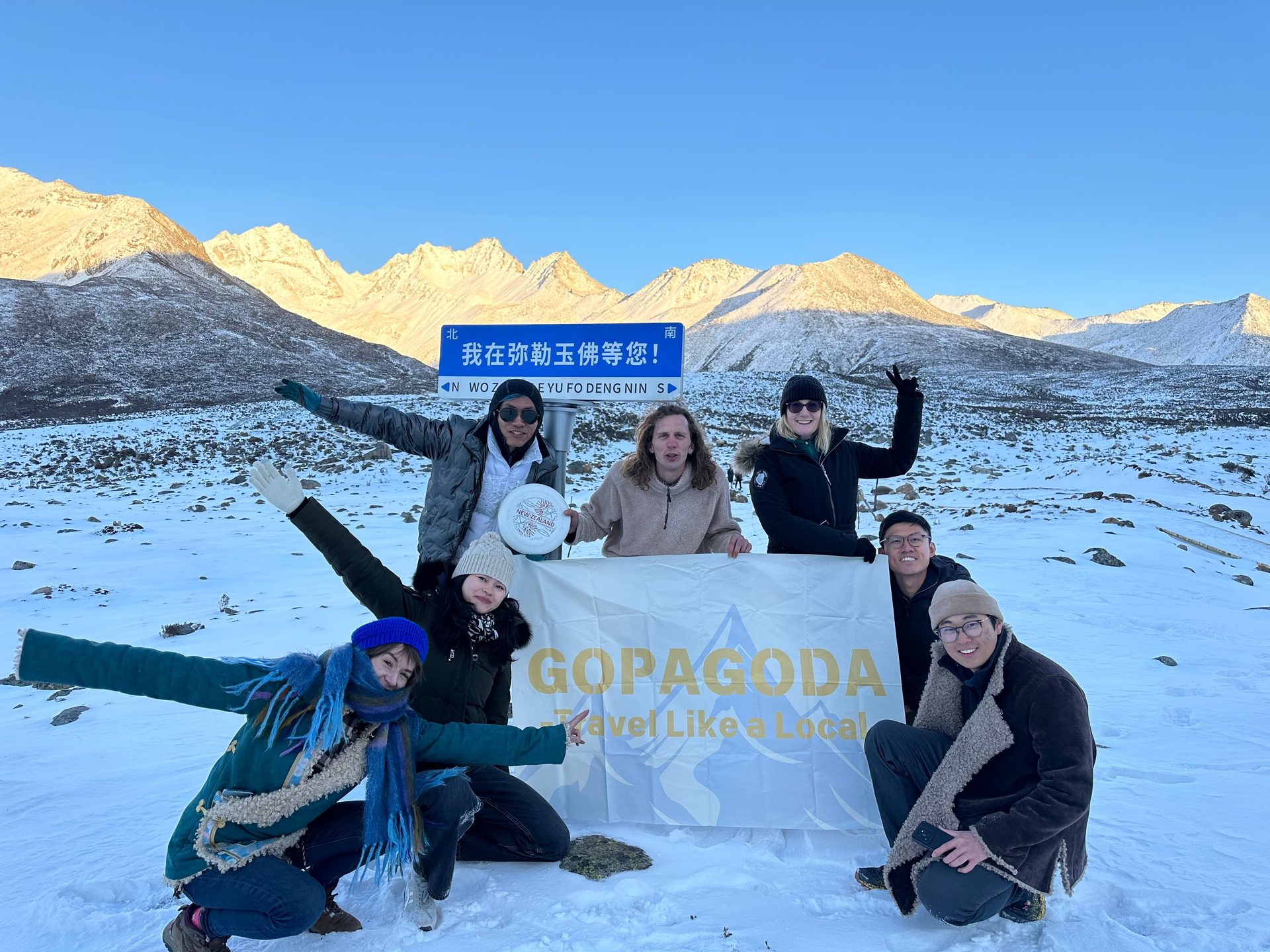
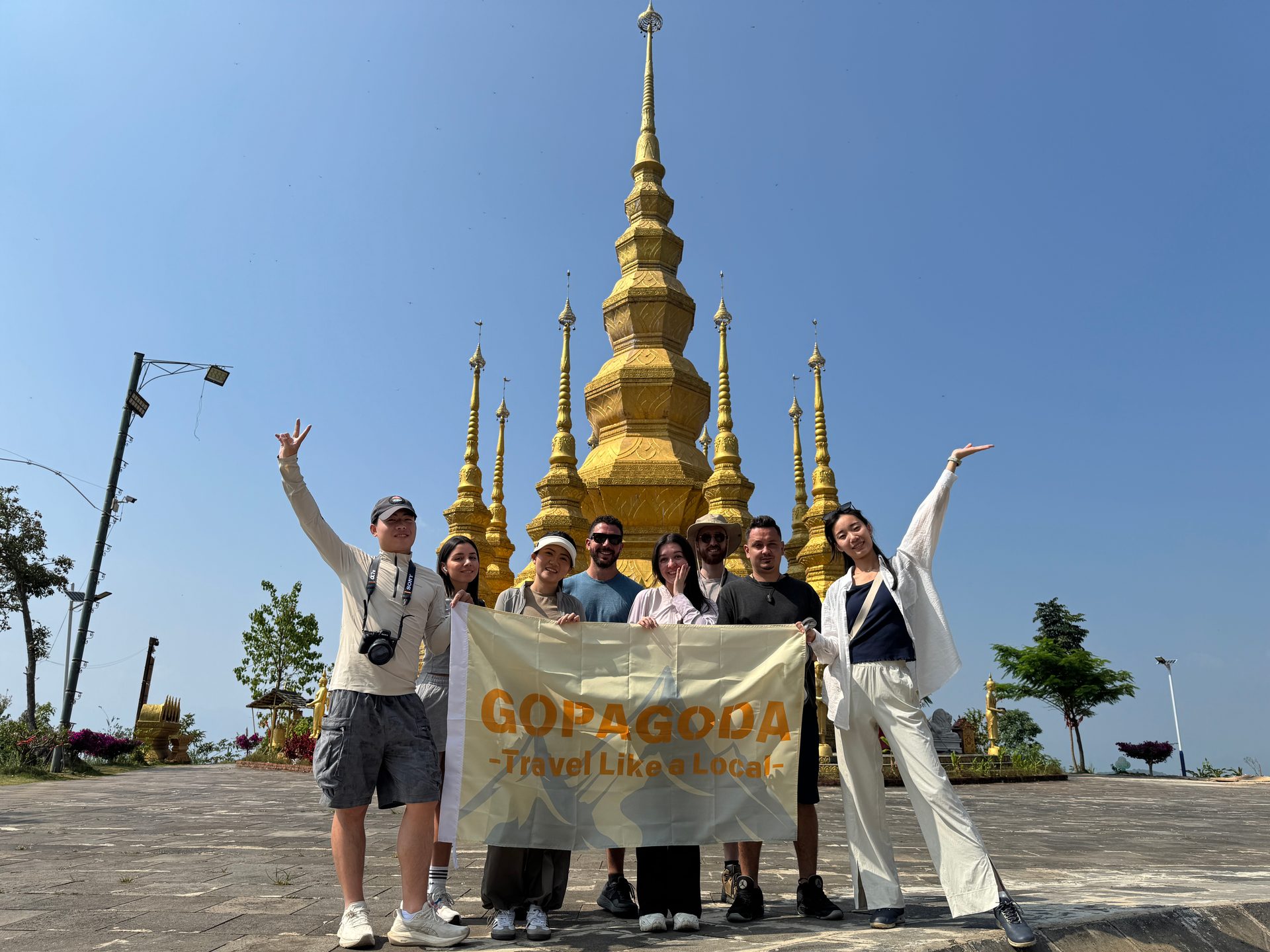
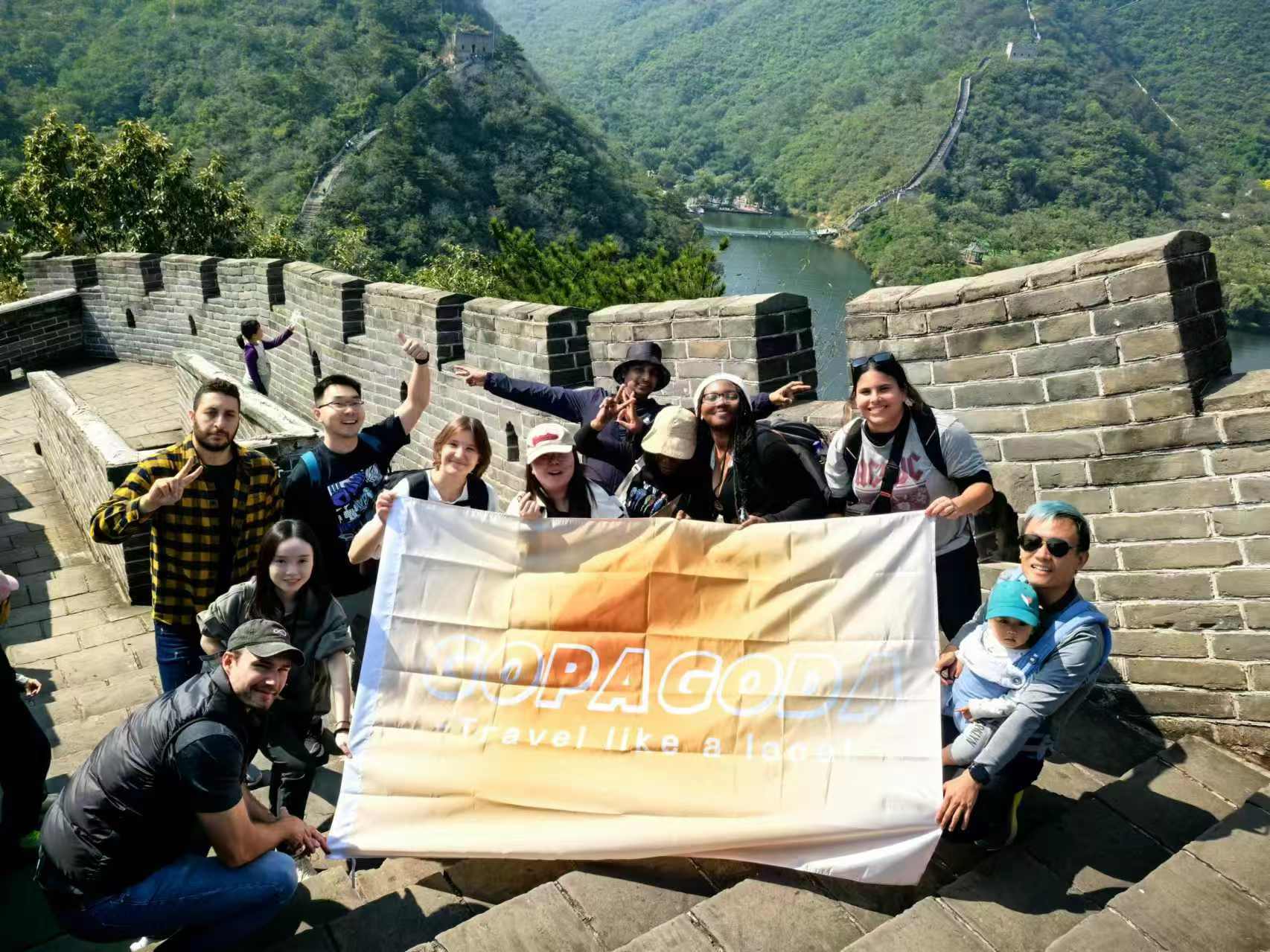
YOUR PERSONAL ROADBOOK
A Day-by-Day Guide
Crafted Just for You


- Step-by-step daily itinerary with exact timing
- Where to find the most authentic local cuisine
- Navigate train stations & airports like a local
- Book authentic local cultural experiences for you
- Emergency contacts and 24/7 WhatsApp support
Frequently Asked Questions
Find quick answers to common questions about your journey
How do I apply for a visa?
We provide visa assistance for all our tours. Our team will guide you through the application process and provide necessary documentation.
Can the itinerary be adjusted?
Yes, our itineraries are flexible. We can customize the tour based on your preferences, interests, and time constraints.
Will there be language barriers?
Our guides are fluent in English and local languages. We ensure clear communication throughout your journey.
What is included in the price?
The price typically includes accommodation, transportation, guided tours, and some meals. Check the package details for specifics.
What is the cancellation policy?
We offer flexible cancellation policies. Free cancellation is available up to 30 days before departure for most tours.
Ready to Start Your Journey?
Let our travel experts craft a personalized itinerary for your dream China adventure. We'll handle every detail.