
A week in China's Heavenly Jiangnan:Shanghai, Suzhou & Hangzhou|Modern Metropolis, Unesco Gardens and West Lake
Itinerary Highlights
Discover Amazing Moments in China
Day-by-Day Itinerary
Your complete travel plan with exciting activities each day
Day 1 · Shanghai
Shanghai Disney Resort
Shanghai Disney Resort is the first Disney resort in mainland China, located in Shanghai's Pudong New District. This world-class family entertainment destination features Shanghai Disneyland theme park with eight themed lands: Mickey Avenue, Gardens of Imagination, Fantasyland, Toy Story Land, Adventure Isle, Treasure Cove, Tomorrowland, and Zootopia. The resort also includes two themed hotels (Shanghai Disneyland Hotel and Toy Story Hotel), Disneytown shopping and entertainment district, and Wishing Star Park. Visitors can experience unique attractions like TRON Lightcycle Power Run, Pirates of the Caribbean: Battle for the Sunken Treasure, and the world's first Zootopia land, all while enjoying Disney's signature storytelling and entertainment.
Shanghai Museum(People's Square)
Nestled in the heart of Shanghai, the Shanghai Museum is home to over 120,000 cultural relics, celebrated for its exceptional collections of ancient bronze ware, ceramics, calligraphy, and paintings. Among its many treasures, several pieces have gained national and international renown, including the Western Zhou Dynasty Da Ke Ding, the Spring and Autumn Period Zi Zhong Jiang Pan, Tang Dynasty painting "Gao Yi Tu," and Wang Xianzhi’s calligraphic work "Datou Nian Tie" from the Eastern Jin Dynasty. The museum’s galleries showcase China’s profound cultural heritage. The Ancient Bronze Gallery displays ritual vessels such as the Da Ke Ding and the intricate Ji Zun. In the Ancient Ceramics Gallery, visitors can admire the Shang Dynasty proto-celadon, a Tang Dynasty Yue ware bowl, and exquisite pieces from the Song Ru kilns. The calligraphy section preserves masterpieces like Wang Xizhi’s "Shang Yu Tie" and Emperor Huizong’s slender gold script "Thousand Character Classic," while the painting gallery includes rare works such as Sun Wei’s "Gao Yi Tu" and Dong Yuan’s "Summer Mountain Scroll." Additional galleries—including those dedicated to sculpture, jade, Ming and Qing furniture, ethnic crafts, seals, and coins—further enrich the visitor experience. The museum also regularly hosts special exhibitions featuring cultural artifacts and artworks from around the world, offering deeper insights into global and Chinese art history.
Jing'an Temple
Jing'an Temple, nestled in Shanghai’s bustling Jing'an Business District, starkly contrasts with surrounding skyscrapers. Founded in the Three Kingdoms period (~1,700 years ago) and mostly rebuilt in the Qing Dynasty, it preserves ancient Buddhist heritage. Its Great Hall houses a 15-ton silver Buddha; the Muni Hall holds a jade Sakyamuni Buddha larger than Shanghai Jade Buddha Temple’s famed relic. Golden roofs, copper tiles, and gilded lion statues adorn the complex, glowing resplendently in sunlight. A spiritual haven blending history with urban energy, Jing'an Temple remains a top spot to experience Shanghai’s sacred past and architectural splendor.
Nanjing Road Pedestrian Street
Nanjing Road Pedestrian Street, stretching 1,200 meters, is a vibrant commercial hub in Shanghai. Blending modern stores with historic European-style architecture, it becomes a dazzling spectacle of lights after dark. Visitors can ride a vintage “Ding-Ding Car” to experience a touch of old Shanghai. The street runs from Tibet Middle Road to Henan Middle Road, featuring creative sculptures, decorative streetlights, and uniquely designed manhole covers. Ample seating is available for resting. Since the early 20th century, it has been a major shopping destination. Today, it combines historic establishments like Yong’an Department Store with modern malls such as New World City. Food options range from trendy cafes to time-honored restaurants like Shen Dacheng and Lao Kele.
The Bund
The Bund, Shanghai’s iconic night-view landmark, draws throngs of visitors and photographers. Stretching along the Huangpu River over a century, it embodies the city’s cultural heritage. A riverside stroll showcases landmarks like the Customs House (with its famed clock) and the HSBC Building, once "the most luxurious between Suez and Bering Strait." Across the water, Pudong’s futuristic skyline—crowned by the Oriental Pearl, Jin Mao, and Shanghai Towers—strikes a vivid contrast with the Bund’s colonial façades. Today, it’s more than history: by day, architecture, cafés, and galleries delight; by night, the waterfront glows, offering prime views of Shanghai’s skyline illuminated over the river—a vibrant hub where past and present merge.
Hidden Hotel (Shanghai People's Square Nanjing Road Pedestrian Street Branch)
Hidden Hotel (Shanghai People's Square Nanjing Road Pedestrian Street Branch) is a mid-to-high-end brand under the BTG Homeinns Group. The hotel is located at No. 336 Xizang Middle Road, Huangpu District, Shanghai, placing guests right in the heart of the city's most vibrant area. It offers a peaceful retreat from the urban hustle while maintaining convenient access to Shanghai's top attractions . The hotel's core philosophy is to provide a quiet living environment away from the hustle and bustle of the city, offering a return to inner peace. It advocates the Chinese lifestyle philosophy of "living in a good place to nourish the soul" and aims to create a new life experience that balances body and mind . The brand emphasizes a Chinese Zen style and a sense of minimalist quality. The design focuses on understated texture and the embodiment of Eastern humanistic spirit, creating a "Chinese-style" cultural atmosphere that has become an ideal choice for modern urbanites seeking inner peace and balance .
Day 2 · Shanghai
Yu Garden
Yu Garden, a classic Ming Dynasty gem in Shanghai’s Old City, is a top landmark. Built in the 16th century by Pan Yunduan for his father, its name (“yu”) means peace. Spanning 2 hectares, it wows with Jiangnan artistry—winding pavilions, ponds, and ancient trees. Highlights include the Great Rockery, Jade Rock, and Dianchun Hall (once the 1853 Small Swords Society HQ). Nearby, Huxinting Teahouse and Zigzag Bridge add charm. Praised as the “Crown of Southeast China’s Gardens,” it blends classical landscape with architecture. Next to the bustling City God Temple & bazaar, it’s a must for history, culture, and traditional snacks.
City God Temple
A historic Taoist temple complex and vibrant commercial area. The City God Temple dates back to the Ming Dynasty and is surrounded by traditional-style buildings housing shops, restaurants, and teahouses serving authentic Shanghai snacks.
Oriental Pearl
Standing in Lujiazui, Pudong, the Oriental Pearl Tower is a Shanghai landmark across the Huangpu River from the Bund. Soaring 468 meters, its design of 11 spheres draws inspiration from the poetic image of "pearls falling upon a jade plate". Visitors can admire Shanghai's nightscape from the revolving restaurant at 267 meters or step onto the fully transparent sightseeing corridor at 259 meters for a thrilling "walk in the air". Inside, explore the Shanghai Urban History Development Hall, experience the high-altitude VR roller coaster, and enjoy diverse dining and shopping. Sending a postcard with the special sky postmark makes for a perfect souvenir of your visit.
Shanghai Imperial Feast
Weaving the splendor and sagas of Chang'an's golden age, this immersive dining spectacle resurrects museum artifacts to unfold a tapestry of poetry, courtly arts, Silk Road commerce, and imperial secrets. Guided by reanimated relics, guests traverse millennia—savoring Tang delicacies while witnessing the empire's glorious triumphs and poignant human dramas, awakening visceral resonance with the eternal truth: "Civilizations endure like tides, golden ages ebb and flow."
Hidden Hotel (Shanghai People's Square Nanjing Road Pedestrian Street Branch)
Hidden Hotel (Shanghai People's Square Nanjing Road Pedestrian Street Branch) is a mid-to-high-end brand under the BTG Homeinns Group. The hotel is located at No. 336 Xizang Middle Road, Huangpu District, Shanghai, placing guests right in the heart of the city's most vibrant area. It offers a peaceful retreat from the urban hustle while maintaining convenient access to Shanghai's top attractions . The hotel's core philosophy is to provide a quiet living environment away from the hustle and bustle of the city, offering a return to inner peace. It advocates the Chinese lifestyle philosophy of "living in a good place to nourish the soul" and aims to create a new life experience that balances body and mind . The brand emphasizes a Chinese Zen style and a sense of minimalist quality. The design focuses on understated texture and the embodiment of Eastern humanistic spirit, creating a "Chinese-style" cultural atmosphere that has become an ideal choice for modern urbanites seeking inner peace and balance .
Day 3 · Suzhou
Shanghai-Suzhou Highspeed Train
The Shanghai-Suzhou high-speed train is a convenient and efficient rail connection between Shanghai and Suzhou, operating on the Shanghai-Nanjing Intercity Railway (沪宁城际铁路). With travel times of just 20-45 minutes and departures every few minutes throughout the day, this high-speed service makes Suzhou an easily accessible day-trip destination from Shanghai. The route connects major stations in both cities, including Shanghai Hongqiao Railway Station, Shanghai Railway Station, Suzhou Railway Station, and Suzhou North Railway Station. Passengers can enjoy modern, air-conditioned trains equipped with comfortable seating classes ranging from second class to business class, making it the most popular and comfortable way to travel between these two historic cities.
Lion Grove Garden (Shizilin Garden)
Lion Grove Garden, one of Suzhou’s four famous classical gardens, was built in 1342 during the Yuan Dynasty. Originally founded as a Buddhist temple by disciples of Chan Master Tianru Weize, it was named after the grotesque rocks resembling lions—also a tribute to Lion Peak on Tianmu Mountain, where Weize’s teacher attained enlightenment. Encircled by winding corridors, the garden features striking rockeries in the southeast and tranquil lake views in the northwest. Known as the “Kingdom of Rockeries,” it houses the only surviving large grotto of Taihu rocks, offering 18 fascinating scenes through its maze-like cliffs, caves, and pathways.
Pingtan Experience at Han'er Yuan
Han'er Yuan is a traditional Pingtan teahouse and theater located in the heart of Suzhou's historic Pingjiang Road district. Housed within a century-old traditional Suzhou residence, this venue offers visitors an authentic immersion into Suzhou Pingtan — a UNESCO-recognized form of storytelling and ballad singing performed in the soft, melodic Suzhou dialect . Suzhou Pingtan is a traditional Chinese performing art that combines storytelling (pinghua) and ballad singing (tanci). Recognized as a National Intangible Cultural Heritage of China.
Pingjiang Road
Pingjiang Road is one of Suzhou’s most historic and picturesque lanes, dating back over 800 years. Stretching 1,606 meters along a narrow canal, it was first recorded in the Pingjiang Map of the Southern Song Dynasty and still preserves the classic water-town layout where “waterways run parallel to streets, and houses face the river.” Lined with whitewashed walls, black-tiled roofs, and stone bridges, the street retains an authentic charm. Visitors can sample local snacks or enjoy Suzhou specialties such as Squirrel-Shaped Mandarin Fish, Crab Roe Tofu, and Sweet and Sour Spare Ribs. Blending history, architecture, and cuisine, Pingjiang Road offers a glimpse of the timeless beauty of Suzhou’s canal culture.
Ji Hotel Suzhou Guanqian Street
Featuring garden-style decor, Ji Hotel Suzhou Guanqian Street is located in the center of Suzhou, only steps away from Guanqian Street. Offering free internet access throughout, the stylish hotel features a business center, a tour desk and meeting rooms. Located no more than a 20-minute walk from Humble Administrator's Garden, Lion Forest and the popular Pingjiang Road, Ji Suzhou Guanqian Street Hotel is a 14-minute -drive to Suzhou Railway Station. Suzhou North Railway Station can be reached in 33 minutes by car. Each room is fitted with a flat-screen cable TV and an electric kettle. Free toiletries and a hairdryer is included in the private bathroom. Free bottled water is provided. Car rentals and laundry service can be arranged at the 24-hour front desk. Luggage storage service is provided as well. There are shops on site and guests can also use the meeting room for their convenience.
Humble Administrator’s Garden (Zhuozheng Garden)
The Humble Administrator’s Garden, a UNESCO World Heritage site, is one of China’s most enchanting classical gardens. With tranquil ponds, winding paths, and elegant pavilions, it feels like stepping straight into a Jiangnan water town painting. The garden is divided into three sections: the spacious East Garden, the refined West Garden, and the famous Central Garden, which still carries the charm of the Ming Dynasty. Don’t miss the “borrowed view” of the North Temple Pagoda rising in the distance or the graceful “Little Flying Rainbow” bridge arching over the water. Whether you’re snapping photos, wandering quietly, or just soaking up the atmosphere, the garden offers something special in every season—from blossoms in spring and autumn to the peaceful stillness of winter.
Day 4 · Suzhou
Tongli Ancient Town
Tongli, once known as Futu, boasts more than 1,000 years of history, with cultural roots dating back to the Songze Culture some 6,000 years ago. Established during the Song Dynasty, it soon earned a reputation for elegance and cultural richness. Today, it is celebrated as one of the “Six Ancient Towns of Jiangnan,” famous for its whitewashed walls, black-tiled roofs, and tranquil canals. The town is also home to important cultural relics, including Tuisi Garden—part of the UNESCO-listed Classical Gardens of Suzhou—and the Beijing-Hangzhou Grand Canal that flows through it. Among Tongli’s highlights, Tuisi Garden stands out as a UNESCO World Heritage Site admired for its refined design and seamless harmony with water. Equally symbolic are the Three Bridges—Taiping, Jili, and Changqing—where crossing each is said to bring peace, prosperity, and happiness.
Retreat and Reflection Garden
Tuisi Garden (Retreat and Reflection Garden), located in Tongli Town, Suzhou, is a UNESCO World Heritage Site built from 1885 to 1887 by the retired official Ren Lansheng. Its name, derived from the ancient classic Zuo Zhuan, means "to reflect upon oneself when retreating from office." Designed by the painter Yuan Long, the garden breaks tradition with an east-west axis layout and is celebrated as a unique "Waterside Garden" for its central lotus pond, around which all structures seem to float on water. Though compact, it features a complete collection of pavilions, towers, bridges, and halls that subtly represent the four seasons and traditional arts. Notable highlights include the boat-shaped "Marble Boat" and a stone inscription by Yuan Dynasty calligrapher Zhao Mengfu. As a masterpiece of late Qing Dynasty Jiangnan garden art, Tuisi Garden embodies Confucian, Taoist, and Buddhist philosophy, offering a serene and elegant retreat that reflects the harmony between nature, poetry, and painting.
Ji Hotel Suzhou Guanqian Street
Featuring garden-style decor, Ji Hotel Suzhou Guanqian Street is located in the center of Suzhou, only steps away from Guanqian Street. Offering free internet access throughout, the stylish hotel features a business center, a tour desk and meeting rooms. Located no more than a 20-minute walk from Humble Administrator's Garden, Lion Forest and the popular Pingjiang Road, Ji Suzhou Guanqian Street Hotel is a 14-minute -drive to Suzhou Railway Station. Suzhou North Railway Station can be reached in 33 minutes by car. Each room is fitted with a flat-screen cable TV and an electric kettle. Free toiletries and a hairdryer is included in the private bathroom. Free bottled water is provided. Car rentals and laundry service can be arranged at the 24-hour front desk. Luggage storage service is provided as well. There are shops on site and guests can also use the meeting room for their convenience.
Shantang Street
Shantang Street is a 1,200-year-old canal-side street in Suzhou, often hailed as "the first ancient street in China" and famously praised by the great poet Bai Juyi, who ordered its construction during the Tang Dynasty. Stretching for about 3.6 kilometers, this well-preserved water town thoroughfare runs alongside the Grand Canal, offering visitors a picturesque scene of white-walled houses, black-tiled roofs, and stone bridges reflected in the tranquil waters. Unlike many commercialized historic streets, Shantang retains its authentic local charm—you can sample traditional Suzhou snacks, browse artisan shops, listen to the melodic tunes of Suzhou Pingtan storytelling drifting from teahouses, or take a leisurely boat ride along the canal as dusk falls, when the street lanterns illuminate the water and create a magical atmosphere. It's the perfect place to experience the romantic, slow-paced essence of ancient Jiangnan.
Day 5 · Hangzhou
Suzhou-Hangzhou Highspeed Train
A high-speed rail service connecting the classic garden city of Suzhou in Jiangsu Province with the scenic city of Hangzhou in Zhejiang Province. The journey takes approximately 1.5–2.2 hours covering about 240 km, with the fastest trains completing the trip in just 1 hour and 15 minutes. With 41+ daily departures between Suzhou Station and Hangzhou East Station, this is one of China's most popular high-speed rail routes for tourists exploring the Yangtze River Delta region.
Southern Song Imperial Street
Southern Song Imperial Street is a historic thoroughfare in Hangzhou, Zhejiang Province, China. It was originally the main avenue and central axis of Lin'an, the capital of the Southern Song Dynasty (1127–1279). After undergoing redevelopment in 2009 (designed by renowned architect Wang Shu), the street has been transformed into a quaint but thriving commercial pedestrian street that blends history with modern tourism.
Qinghefang Street
Qinghefang Street is one of Hangzhou's most popular commercial areas. The shops along the street are renovated from old buildings, giving the area an antique and elegant charm. It brings together many local snacks, specialty stores, teahouses, and more. Nestled at the foot of Wu Hill and close to the neighboring Gaoyin Street (a food street), it is frequented by both tourists and locals alike. This commercial pedestrian street is not very large, but it offers a wide variety of goods, making it a true microcosm of Hangzhou's unique character. You can find most local specialties here. While strolling around, don't forget to try local snacks such as Ding Sheng Gao (victory cake) , Su You Bing (shortbread) , and Long Xu Tang (dragon beard candy) . You'll also encounter the famous Zhang Xiaoquan Scissors and Wang Xingji Fans – buying one of these makes for a nice souvenir.
The West Lake
Hangzhou's West Lake, a UNESCO World Heritage Site, is celebrated for its poetic scenery that has inspired artists and scholars for centuries. Encircled by hills on three sides, the lake harmoniously blends gardens, temples, and bridges. Key sights include the Broken Bridge, associated with the Legend of the White Snake; Leifeng Pagoda, offering panoramic views; and the picturesque Su Causeway, particularly beautiful in spring. Visitors can take boat trips, stroll along the shore, or cycle around the lake, enjoying seasonal charms like summer lotuses or misty winter views. The area also features cultural sites such as tea plantations, ancient temples, and classical gardens, enriching the West Lake experience.
Impression of West Lake
Impression of West Lake is a large-scale open-air performance directed by the acclaimed filmmaker Zhang Yimou, who also directed the 2008 Beijing Olympic Games opening ceremony. The show uses the natural waterscape of West Lake as its stage, blending symphony, dance, Yue Opera, guqin (ancient zither music), and other art forms with Hangzhou's natural beauty through cutting-edge technology such as holographic projection. The show weaves together Chinese poetry, opera, music, dance, Tai Chi, and tea culture, presented through universally accessible artistic expressions. It captures three essences: the character of Jiangnan (the region south of the Yangtze River), the spirit of China, and the ideal of global harmony.
Lakeview Hotel Hangzhou
The Lakeview Hotel Hangzhou provides a great place for travelers to relax after a busy day. Visitors to Hangzhou will find that the Lakeview Hotel Hangzhou is a fantastic accommodation choice. The hotel is only 4km from Hangzhou Railway Station and 29km from Hangzhou Xiaoshan International Airport, giving guests a number of convenient transportation options. In addition, Fengqi Road Metro Station is just a short walk away. Seeing Hangzhou's sights from this hotel is easy with West Lake Music Fountain, Dongpoda Theater and Hubin Road Pedestrian Street all close by. In their spare time, guests can explore the hotel's surroundings. This Hangzhou hotel provides parking on site. If you demand a high level of service, our guests have indicated that this hotel has excellent standards. For guests traveling with families, this hotel is consistently one of the most popular choices.
Day 6 · Hangzhou
LingYin Temple
Founded in 326 AD by the Indian monk Huili, Lingyin Temple is among Hangzhou’s most significant ancient Buddhist temples. Nestled between Feilai Peak and Beigao Peak near West Lake, it has served as a spiritual sanctuary for over 1,600 years. The temple underwent multiple reconstructions, thriving notably during the Wuyue and Song dynasties as one of the Five Great Chan Temples of southern China. It remains an active site of worship and cultural heritage today. Covering more than 130 mu, the temple complex features grand halls along its central axis, such as the Hall of Heavenly Kings and the Great Hero Hall. A notable treasure is the 24.8-meter-high camphorwood statue of Skanda Bodhisattva, carved during the Tang Dynasty.
Mei Wu Tea Heritage — Tea Culture Immersion Experience
Mei Wu Tea Heritage is a tea culture immersion center nestled in Meijiawu Village, the historic heart of Hangzhou's Longjing (Dragon Well) tea production. The experience transcends mere tea tasting; it is a chronological journey through Chinese tea civilization—from leaf to cup, from Tang Dynasty poetry to modern sensory evaluation. You will engage in hands-on tea picking (seasonal), traditional pan-firing demonstrations and enjoy walks through UNESCO-recognized Longjing tea gardens. The facility occupies a restored tea farmer's courtyard, blending rustic architecture with curated exhibition spaces.
Hupao (Tiger Run) Park
When we pass through the stone gate on Hupao Road and the first sound that reaches us is not traffic but water—clear, cold, falling water—we're entering one of Hangzhou's oldest sacred landscapes. The name "Hupao" means "Tiger Run", and the legend is as wild as the name: two monks arrived here in the Tang Dynasty, exhausted and thirsty, seeking a place to build a temple. Their digging attracted a divine tiger, who pawed the earth until a spring burst forth, providing the water that would sustain the monastery for twelve centuries. Today, the spring still flows. The monks are gone, replaced by visitors who come to drink water that emperors drank, to walk paths that poets walked, and to pay respects to a monk who changed Chinese Buddhism forever. This is not a park. It is a liquid pilgrimage—a place where water, faith, and memory have been interwoven for over 1,200 years.
Lakeview Hotel Hangzhou
The Lakeview Hotel Hangzhou provides a great place for travelers to relax after a busy day. Visitors to Hangzhou will find that the Lakeview Hotel Hangzhou is a fantastic accommodation choice. The hotel is only 4km from Hangzhou Railway Station and 29km from Hangzhou Xiaoshan International Airport, giving guests a number of convenient transportation options. In addition, Fengqi Road Metro Station is just a short walk away. Seeing Hangzhou's sights from this hotel is easy with West Lake Music Fountain, Dongpoda Theater and Hubin Road Pedestrian Street all close by. In their spare time, guests can explore the hotel's surroundings. This Hangzhou hotel provides parking on site. If you demand a high level of service, our guests have indicated that this hotel has excellent standards. For guests traveling with families, this hotel is consistently one of the most popular choices.
Day 7 · Shanghai
Hangzhou-Shanghai Highspeed Train
The Hangzhou-Shanghai High-speed Train, officially the Huhang Passenger Dedicated Line, is a fully operational railway spanning approximately 160 kilometers between Shanghai Hongqiao Station and Hangzhou East Station. Opened in 2010, it reduces travel time between the two cities to just 45 minutes on modern Fuxing Hao trains. This efficient transit link facilitates convenient day trips to Hangzhou's top destinations like West Lake and the Longjing Tea Villages, providing passengers with comfortable seating and scenic views of the landscape shifting from metropolitan outskirts to the traditional waterways of the Jiangnan region.
Xintiandi Shikumen
A trendy entertainment and dining district built within restored shikumen (stone gate) houses. Xintiandi seamlessly blends Shanghai's 1920s heritage architecture with modern restaurants, bars, galleries, and boutiques.
South Bund Fabric Market – Shanghai‘s Legendary Custom Tailoring Destination
The South Bund Soft-Spinning Material Market, commonly known as the South Bund Fabric Market, is Shanghai’s most famous destination for custom-made clothing . Unlike conventional tourist attractions, its appeal lies in practicality and craftsmanship. This is not a museum or a staged cultural experience — it’s a living, breathing workshop where you can walk in with an idea and walk out days later with a perfectly fitted, made-to-measure garment .
Packages
Choose Your Journey
From self-guided exploration to fully immersive experiences, find the perfect level of support for your adventure.
Local Explorer
— Your Authentic Journey Starts Here
- Exclusive Custom Itinerary Design
- All Hotel Accommodations
- All Attraction Tickets & Entry Fees
- Intercity Transportation Arrangements
- 24/7 In-trip Support & Assistance
- First-Day Private Airport Pickup
- On-site Concierge for Hotel Check-in
From $13,000/person
Local Navigator
— Seamless Exploration, Enhanced Comfort
- Exclusive Custom Itinerary Design
- All Hotel Accommodations
- All Attraction Tickets & Entry Fees
- Intercity Transportation Arrangements
- 24/7 In-trip Support & Assistance
- First-Day Private Airport Pickup
- On-site Concierge for Hotel Check-in
- PlusPrivate Chauffeur Service & Car Arrangements for some days trip
From $22,000/person
Local Connoisseur
— Ultimate Immersion, Tangible Memories
- Exclusive Custom Itinerary Design
- All Hotel Accommodations
- All Attraction Tickets & Entry Fees
- Intercity Transportation Arrangements
- 24/7 In-trip Support & Assistance
- First-Day Private Airport Pickup
- On-site Concierge for Hotel Check-in
- PlusPrivate Chauffeur Service & Car Arrangements for some days trip
- PlusA Beautifully Designed Physical Printed Travelbook
From $31,000/person
All packages are customized to your travel dates and preferences. for a personalized quote.
Why Choose Independent Travel
Compare the benefits of self-guided travel vs traditional group tours
Independent Travel
With Our Guidebook
Traditional Group Tour
Standard Package
Our Happy Travelers
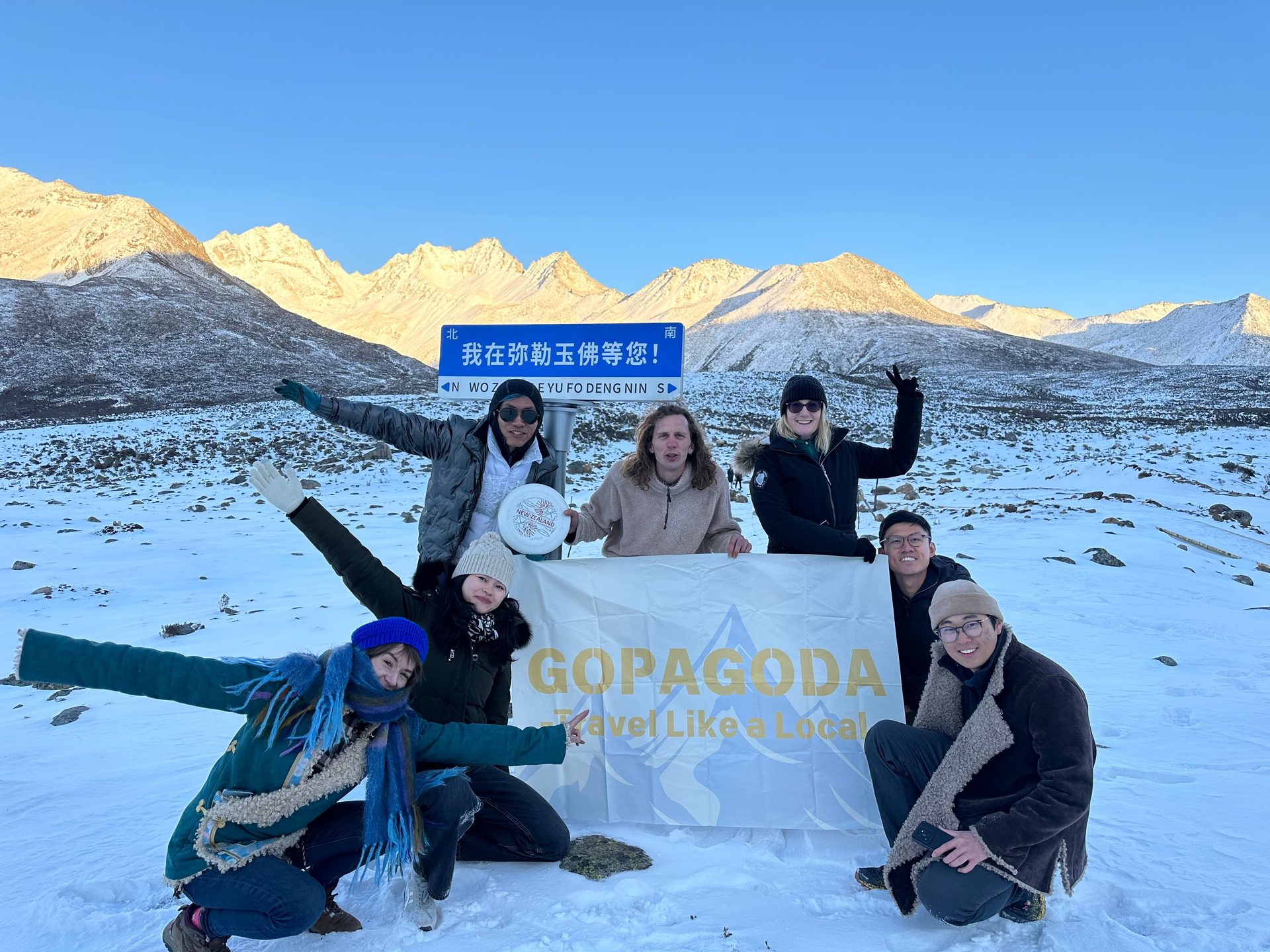
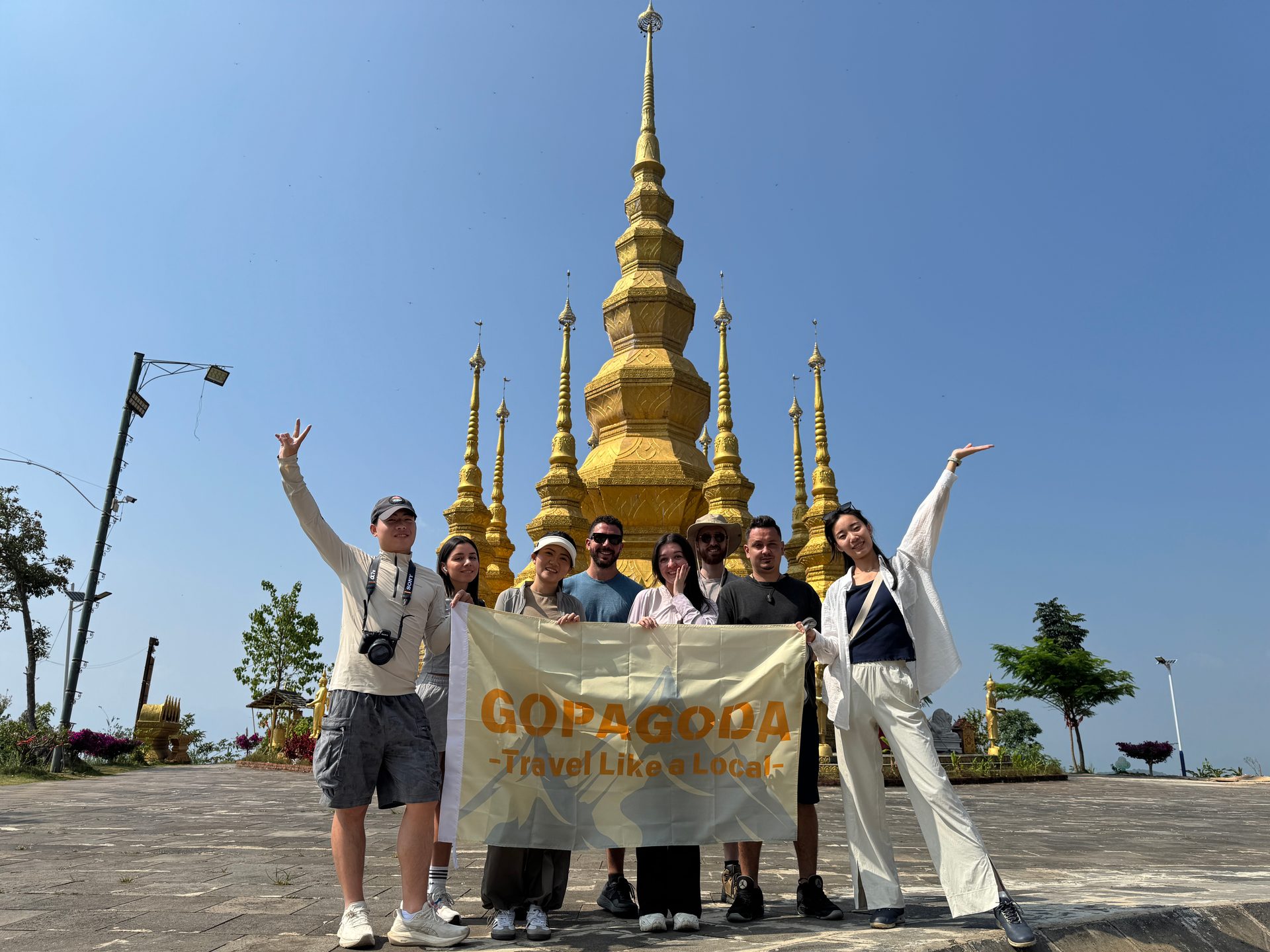
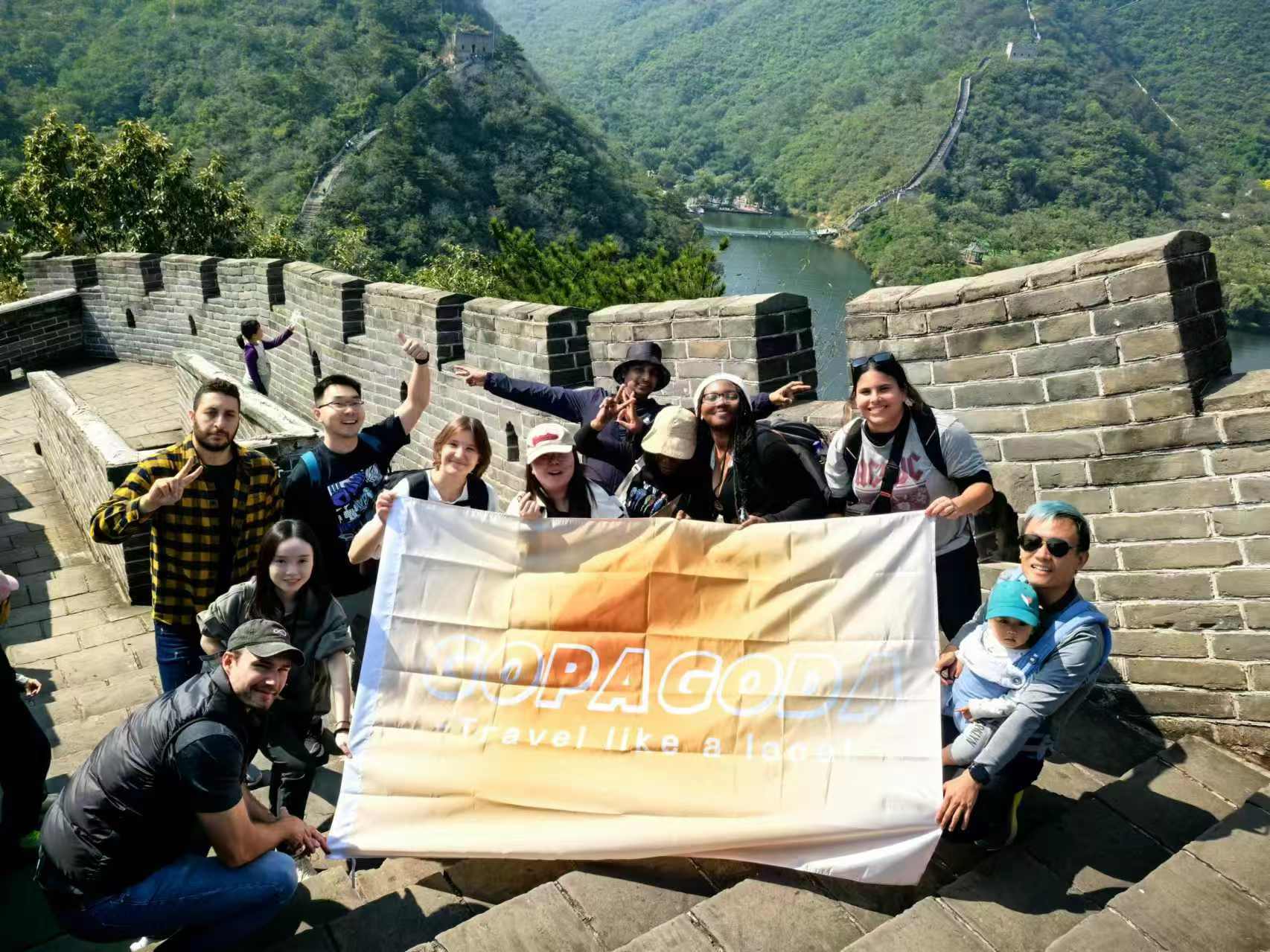
YOUR PERSONAL ROADBOOK
A Day-by-Day Guide
Crafted Just for You


- Step-by-step daily itinerary with exact timing
- Where to find the most authentic local cuisine
- Navigate train stations & airports like a local
- Book authentic local cultural experiences for you
- Emergency contacts and 24/7 WhatsApp support
Frequently Asked Questions
Find quick answers to common questions about your journey
How do I apply for a visa?
We provide visa assistance for all our tours. Our team will guide you through the application process and provide necessary documentation.
Can the itinerary be adjusted?
Yes, our itineraries are flexible. We can customize the tour based on your preferences, interests, and time constraints.
Will there be language barriers?
Our guides are fluent in English and local languages. We ensure clear communication throughout your journey.
What is included in the price?
The price typically includes accommodation, transportation, guided tours, and some meals. Check the package details for specifics.
What is the cancellation policy?
We offer flexible cancellation policies. Free cancellation is available up to 30 days before departure for most tours.
Ready to Start Your Journey?
Let our travel experts craft a personalized itinerary for your dream China adventure. We'll handle every detail.